
KNIPEX Cobra Pliers Review: Toothed Grip & Finish Protection
KNIPEX Cobra 87 01 250 water-pump pliers are built to grip round and irregular work with serrated jaws and push-button adjustment. That bite can be extremely useful on rough plumbing parts, but it is not surface-neutral. The right review therefore asks two questions together: will the teeth hold, and is the part allowed to show tooth contact afterward?
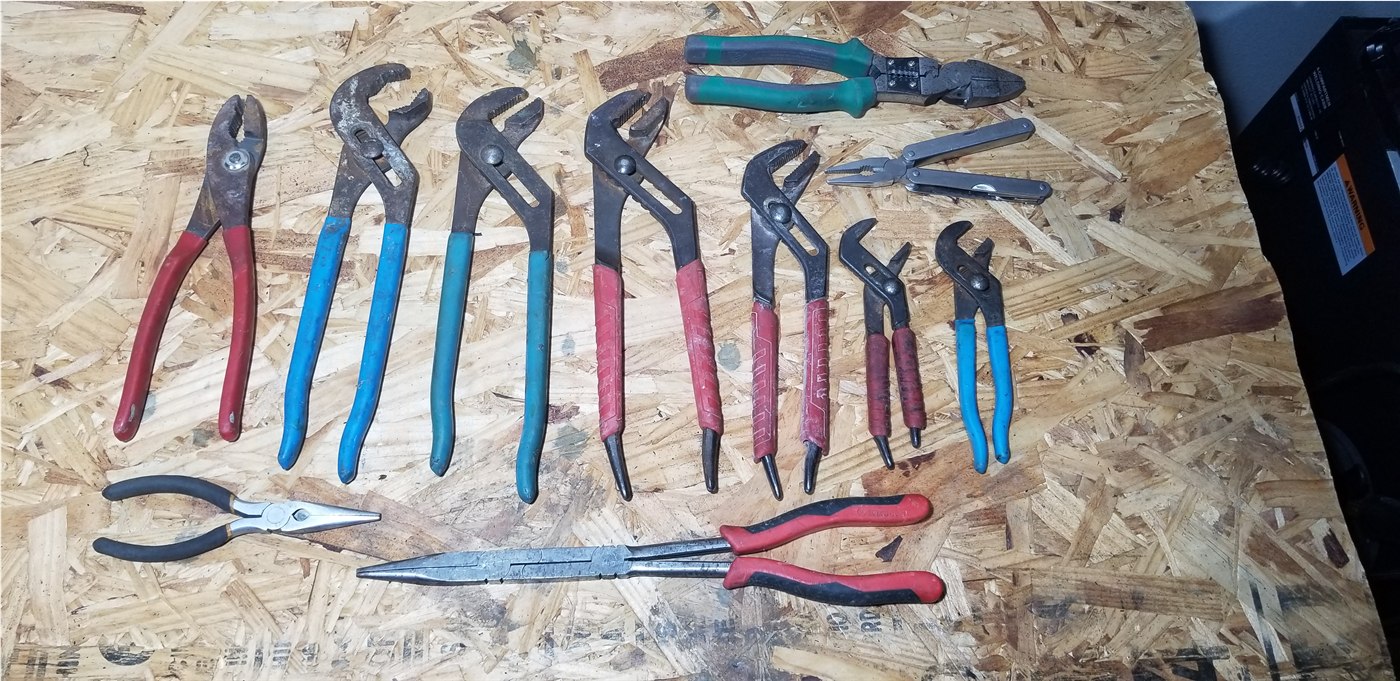
Quick answer
The 10-inch Cobra is a versatile rough-grip tool for appropriate pipe, fittings, drain components, and irregular shapes within its stated capacity. Choose it when serrated engagement is acceptable and the part can be supported. Choose smooth parallel jaws, a strap wrench, a socket, or a manufacturer tool for chrome, plated brass, polished metal, plastic, painted parts, and any visible surface that must remain unmarred.

The aerator, mounting hardware and supply connections involve different access points and fasteners. A tool that fits one may not suit another.
- AeratorIdentify exposed or recessed design and the actual size.
- Mounting fastenerWorking clearance matters as much as tool length.
- Supply connectionsUse the correct fastener size and protect finished surfaces.
Who this guide is for
This review is for homeowners and maintenance buyers comparing water-pump pliers with smooth-jaw and pipe-specific tools. It assumes basic water isolation and component identification. It does not encourage using teeth on every stuck fitting or dismantling corroded, concealed, gas, or pressurized systems without a qualified plumber.
How we evaluated the fit
The evaluation is based on the listed 87 01 250 model, its 10-inch class, serrated adjustable-jaw design, and common plumbing material behavior. No hands-on testing claim is made. Confirm current capacity, adjustment positions, handle specification, and care directions with KNIPEX and inspect the exact tool received.
Three checks that matter first
Use these checkpoints to narrow the field before comparing individual models.
Decide whether tooth marks are acceptable
Assume serrated steel jaws can mark the work. If the surface is visible, plated, polished, coated, soft, or intended to seal against another surface, select a different tool. A towel is not a dependable conversion from toothed jaws to finish-safe jaws.
Match the adjustment to the shape
Set the push-button joint so the handles can close comfortably while the jaws engage the work deeply. An opening that is too large puts the tips on the part; one that is too small prevents proper seating and encourages sideways twisting.
Plan counter-support
Self-gripping geometry does not protect adjacent pipe. Hold the upstream valve, fitting, or tube with the correct second tool so the desired connection moves without twisting a solder joint, wall stub-out, or brittle drain section.
What the Cobra jaw geometry contributes
Water-pump pliers have angled jaws and multiple joint positions so one tool can adapt to a range of diameters. The Cobra design adds a push-button adjustment and a jaw relationship intended to grip round work as turning force is applied. This can reduce the need to squeeze continuously compared with basic pliers, especially on a rough metal fitting. The user still controls placement and load. Teeth should engage a broad, structurally sound area; they should not perch on a thin rim, gasket land, compression sleeve, or the corner of a plastic nut.
Good household candidates may include a nondecorative drain component being replaced, a rough steel fitting with appropriate access, a stubborn hose coupling whose exterior is meant for tool engagement, or the body of a part that must be discarded. The pliers can also hold irregular objects during disassembly, provided that crushing them creates no hazard. The design is not a license to grip copper tube itself, thin-walled brass, a faucet spout, or a valve stem. Those parts can oval, score, or snap before the connection releases.
Finish protection starts with tool selection
The most reliable way to protect chrome and other decorative surfaces is to keep serrated jaws off them. Use a smooth-jaw pliers wrench on accessible flats, a correctly sized socket or open-end wrench, a strap wrench on an approved round surface, or the service tool supplied for the fixture. Wrapping a rag, tape, or rubber around Cobra jaws may still allow teeth to print through, and the soft layer can slip unexpectedly. Improvised padding also changes how the jaw geometry engages, so it should not be treated as equivalent to a purpose-built protected jaw.
Finish protection matters beyond appearance. A scratch on a decorative nut can become a corrosion site; a gouge across a gasket seat can prevent sealing; and a deformed aerator shell may never thread squarely again. Before gripping, clean the area enough to distinguish removable scale from the original surface. If a fitting will be reused, identify designated wrench flats. If no tool engagement area exists, consult the component instructions rather than choosing the least visible place for the teeth.
Adjustment, force, and ongoing care
Press the adjustment button only when load is removed, move the joint to the closest suitable position, and confirm it locks before placing the tool. Keep fingers clear of the handles and joint where they can pinch. Seat the jaws deeply, keep the tool in the plane of rotation, and use gradual pressure. If the teeth skate, stop and reassess the angle, size, material, and tool choice. Repeated slipping rounds the work and can send the user's hand into sharp cabinet hardware or a wall.
After wet use, wipe the tool dry and follow the manufacturer's lubrication guidance for the joint. Inspect the button, adjustment teeth, gripping teeth, handles, and joint for damage or contamination. Worn or chipped teeth can behave unpredictably. Store the pliers where the jaw points are protected and the mechanism can dry. For a stuck assembly, do not extend the handles or strike them. Excess leverage can twist piping behind a surface long before the visible fitting turns.
Options that fit this decision
These links lead to current Amazon listings. Verify the exact model and installation requirements before ordering.

KNIPEX Cobra 10-inch Water Pump Pliers
This model combines a practical 10-inch form with quick push-button sizing and serrated jaws for round or irregular rough work. The mechanism offers broad versatility within its current published opening range, but its success depends on choosing sacrificial or nonfinished contact areas and keeping torque out of adjacent piping.
- Check first
- Confirm the exact model, maximum pipe and nut capacities, number and security of adjustment positions, handle coating, tooth condition, and authenticity. Compare the working diameter and cabinet space with the current dimensions.
- Published capacity
- KNIPEX specifies a maximum 2-in round-pipe jaw opening, a 1¾-in hex opening, and 25 adjustment positions for model 87 01 250. The 10-in dimension is the tool length. Measure the actual gripping surface and allow room for the handles before choosing this size.
- Best for
- Structurally sound, nondecorative round or irregular plumbing parts where serrated engagement is permitted and controlled grip is useful.
- Skip if
- The part is chrome, polished, plated, painted, plastic, thin, soft, a sealing land, intended for reuse without marks, or connected to unsupported concealed piping.
Frequently asked questions
Are Cobra pliers safe for chrome faucet parts?
Their serrated jaws can mark chrome and other finishes. Use a smooth-jaw, protected-jaw, socket, strap, or fixture-specific tool that fully engages an approved surface. Do not count on a rag to prevent teeth from printing through.
What does self-gripping mean in practice?
The jaw geometry can increase engagement on suitable round work as turning load is applied, reducing continuous hand squeeze. It does not make the tool self-supporting, prevent slip on every material, or eliminate the need to set the correct opening and counter-hold adjacent piping.
Can 10-inch water-pump pliers replace a pipe wrench?
They overlap on some rough gripping tasks, but a pipe wrench has different directional jaw geometry for threaded metal pipe and can provide different leverage. Choose by material, diameter, surface, access, and required counter-torque rather than by whichever tool opens wider.