
Best Leak-Prevention Tools for a Laundry Room
Laundry rooms combine pressurized supply hoses, frequent valve cycles, vibration, and a large appliance that can hide early moisture. The most useful prevention plan is a small system: sound hoses, accessible shutoff valves, sensible water pressure, a detector at the likely low point, and a clear response routine.
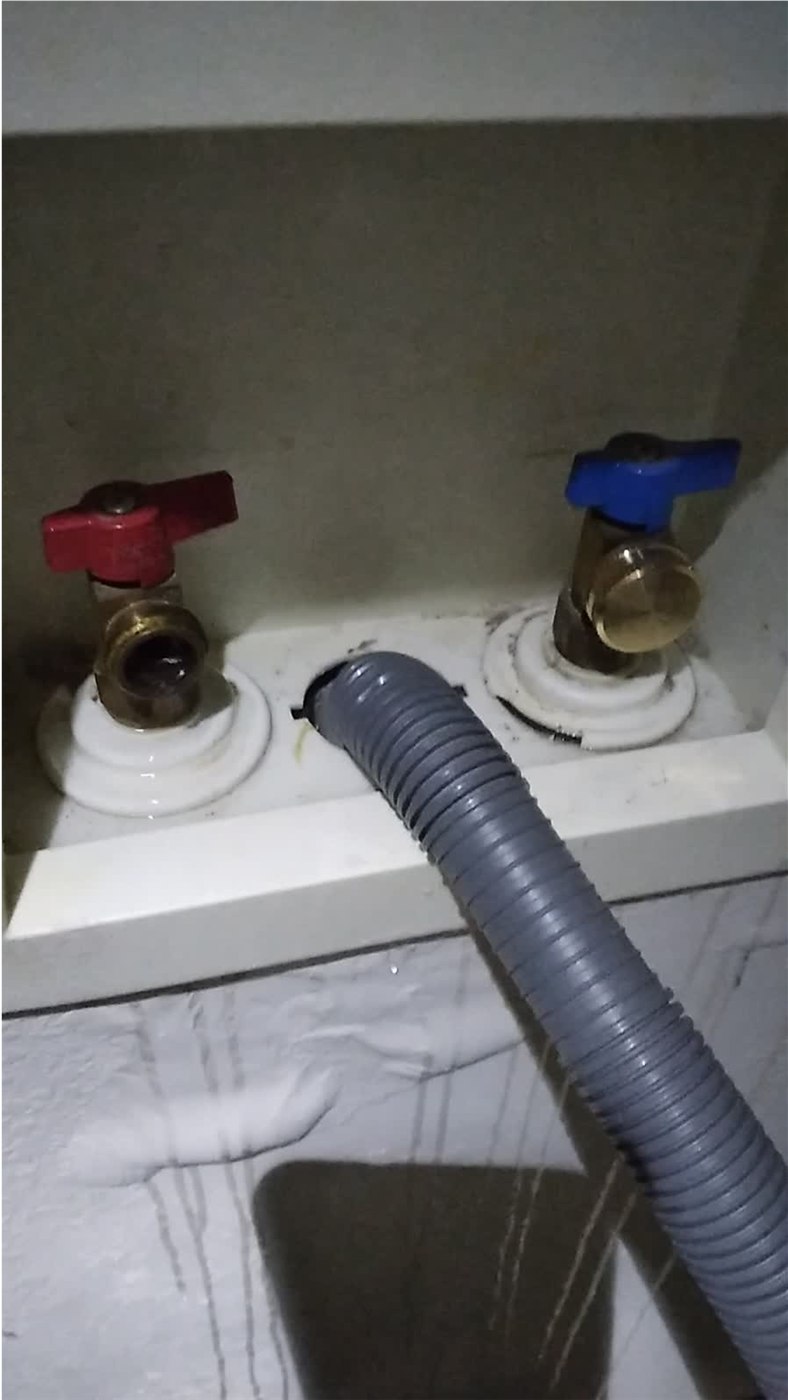
Quick answer
Prioritize hose condition and fit, verify that both supply valves operate without forcing them, place a water alarm where a leak would collect, and investigate abnormal pressure rather than treating a gauge reading as a diagnosis. A drain pan can help in some layouts, but only when it is correctly sized and routed.
Start with the job you need to do
Hoses, alarms, shutoff kits, and gauges have different jobs. Choose the item that addresses your concern and check its fit before ordering.

Replace washer hoses
Check length, thread size, elbow direction, and space behind the appliance.
Check hose fit
Add an audible water alarm
Choose a reachable low point where escaping water can touch the sensor.
Check alarm placement
Record water pressure
Check the gauge connection and instructions. A reading does not repair a leak.
Check the gauge option
Automatically close the water supply
A washer-specific shutoff kit needs room for both hot- and cold-water valves.
Check automatic shutoff fitWho this guide is for
This guide is for homeowners replacing a washer, moving into an unfamiliar house, updating old rubber hoses, or improving protection on an upper floor. It also helps people deciding which accessories belong in a laundry-room checklist. It is not a substitute for diagnosing a valve that drips, a standpipe that overflows, or a machine with an internal leak.
How we evaluated the fit
Recommendations are based on connection standard, hose construction, bend clearance, detector placement, gauge range, service access, and the role each item plays in prevention. No product is presented as hands-on tested, and the guide avoids predicting service life for an installation that has not been inspected.
Three checks that matter first
Use these checkpoints to narrow the field before comparing individual models.
Fix the failure point before adding alerts
A detector can announce water, but it cannot strengthen an aged hose or seal a corroded valve. Inspect connections for rust, bulging, abrasion, sharp bends, and dampness. Replace questionable components before relying on notification products.
Preserve clearance behind the washer
Pushing an appliance hard against the wall can kink hoses, strain fittings, and hide drips. Measure the actual path from valve to inlet and account for elbows, vibration, drain hose routing, and enough space to inspect connections.
Make shutoff practical
Supply valves should be visible and reachable without climbing over the appliance. Learn which direction closes them and do not wait for an emergency to discover they are frozen or leaking. A plumber can replace valves that do not operate normally.
Options that fit this decision
Sergeant Plumber Corp. may earn commissions through these links. As an Amazon Associate I earn from qualifying purchases. Check the exact model and fit before ordering.
Eastman 5-foot Braided Washing Machine Hoses
This two-hose set uses braided stainless-steel construction, washing-machine hose-thread connections, and elbowed ends described for appliance clearance. Compare the five-foot length with the measured route behind the washer, and verify that the elbow orientation leaves both hoses relaxed. Construction is only one part of reliability; correct washers, clean threads, and periodic inspection remain necessary.
- Check first
- Confirm hot and cold inlet positions, required hose-thread size, available depth, and whether five feet reaches without tension or excess looping.
- Best for
- A planned washer hookup where braided hoses and elbow clearance match the appliance layout.
- Skip if
- The valves, appliance inlets, or threads are corroded, damaged, nonstandard, or need repair before new hoses can be connected safely.
Zircon Leak Alert Water Detector
A local spot alarm can add an early audible warning when placed at the low point behind or beside the washer. It is most useful when water can reach the sensing contacts and a person is likely to hear the alert. It does not monitor hose condition, close valves, or address standpipe backups.
- Check first
- Trace likely water paths and confirm the detector will remain flat, dry during normal cleaning, and unobstructed by the appliance or stored supplies.
- Best for
- Occupied homes that need a simple local alert near the washer connections.
- Skip if
- You require remote notification or automatic shutoff while the property is empty.
FloodStop washer kit: two 3/4-inch, 90-degree valves
Paid links. Sergeant Plumber Corp. may earn a commission at no additional cost to you. As an Amazon Associate I earn from qualifying purchases.
Need more than an audible warning? This washer-specific kit uses a leak sensor and motorized valves to close the hot and cold water supplies when water reaches the sensor.
- Check first
- Match both hose-thread connections and measure clearance for the 90-degree valves, hoses, and wiring. Keep the existing manual shutoffs accessible.
- Plan for
- Sensor placement, controller power, backup batteries, and testing according to the included instructions. IPS recommends a licensed plumber for installation.
- Phone alerts
- Verify compatible notification hardware and setup separately; do not assume phone alerts are included with this kit.
Get help checking valve fit or installation
Based on manufacturer guidance and listing checks, not hands-on testing. Read the FloodStop washer-kit instructions and match them to the version supplied.
Watts Water Pressure Test Gauge, 3/4-inch Hose Connection
This gauge is described with a three-quarter-inch hose connection and a broad pressure scale. It can help record a pressure snapshot at a compatible outlet when used according to instructions. The wide range does not make every reading diagnostic, and an unusual result should lead to professional evaluation rather than an unplanned regulator adjustment.
- Check first
- Verify the connection is compatible, accessible, undamaged, and appropriate for the measurement procedure you intend to follow.
- Best for
- Homeowners documenting a preliminary pressure reading before discussing a concern with a plumber.
- Skip if
- You are looking for a device that prevents leaks or provides continuous pressure monitoring.
Start with the washer supply connections
The hot and cold hoses carry household water pressure even while the washer is idle unless the valves are closed. Look at the complete assembly: wall valve, threaded connection, hose body, elbow if present, and machine inlet. Braided stainless-steel jackets can add abrasion and expansion resistance compared with basic rubber construction, but the braid does not make a hose immune to poor installation, damaged threads, corrosion, or age. Follow the appliance and hose manufacturers' installation and replacement instructions.
Choose a hose length that reaches without tension, coils, or a tight bend. A right-angle appliance end can improve clearance on some washers, yet orientation must match the inlet location. Confirm both ends use the required washing-machine hose thread and that included washers are seated correctly. Hand-start every threaded connection to avoid cross-threading, and do not treat extra force or thread-sealing tape as a cure for a damaged hose washer or fitting. If a connection will not seal normally, stop and inspect it.
Add early warning at the right low point
A spot detector belongs where escaping water is likely to arrive first, not on top of the machine or behind stored detergent. Before placing it, inspect the floor slope, wall base, drain-pan edges, and any threshold at the laundry-room door. A slow valve drip may travel along a hose and reach a different location than water from the tub or pump. If possible, keep more than one exposure within the detector's sensing path without blocking the contacts.
Test the alarm after positioning it and verify that it is audible from occupied parts of the home. For an upstairs laundry room or a home that is frequently vacant, consider whether remote notification or an automatic shutoff solution is warranted. For automatic supply closure, check the washer-specific FloodStop option. Compare connectivity, valve fit, and installation separately. No alarm eliminates the need to look behind the washer periodically, especially after the appliance has been moved.
Use pressure information carefully
A hose-thread pressure gauge can provide a snapshot at a compatible connection, but the result depends on where, when, and how the reading is taken. Confirm the gauge connection and range, follow its instructions, and avoid attaching it where the valve or threads are damaged. A single reading does not explain pressure changes, thermal expansion, regulator behavior, or intermittent spikes. It is a screening observation, not a complete plumbing diagnosis.
If pressure appears outside the range recommended for the home or fixtures, if the needle changes unexpectedly, or if supply hoses move sharply when valves close, ask a plumber to investigate. Do not adjust a pressure-reducing valve by guesswork. Complete the prevention plan with an accessible shutoff route, a dry floor free of stored cardboard, and contact information for service. Small housekeeping choices make it easier to spot moisture before it becomes concealed damage.
Manufacturer fit references
Eastman catalog: 41065 hose pair, Zircon Leak Alert specifications, and Watts 276H300 / IWTG gauge specifications. Watts lists different gauge ranges by model; verify the exact selected model rather than treating them as interchangeable.
Frequently asked questions
Are braided washing machine hoses leak-proof?
No. Braided construction can be a useful feature, but failures can still result from installation errors, damaged fittings, abrasion, corrosion, age, or appliance movement. Inspect them and follow replacement guidance.
Where should a laundry-room leak alarm sit?
Place it flat at the point water is most likely to reach first, commonly near the supply connections or the low edge of a drain pan. Confirm the appliance and stored items do not block the sensing contacts.
Should I close washer valves after every load?
Closing accessible, serviceable valves can reduce the time hoses remain pressurized, but valve design and condition matter. Do not repeatedly force stiff or leaking valves; have a plumber assess them.