
Danco 10909 Aerator Key Review: Four Sizes, Not Universal
The Danco 10909 combines four recessed-aerator key sizes with a separate wrench for compatible exposed aerator housings. Identify which interface your faucet needs: this tool does not fit every size, notch pattern, or proprietary outlet.
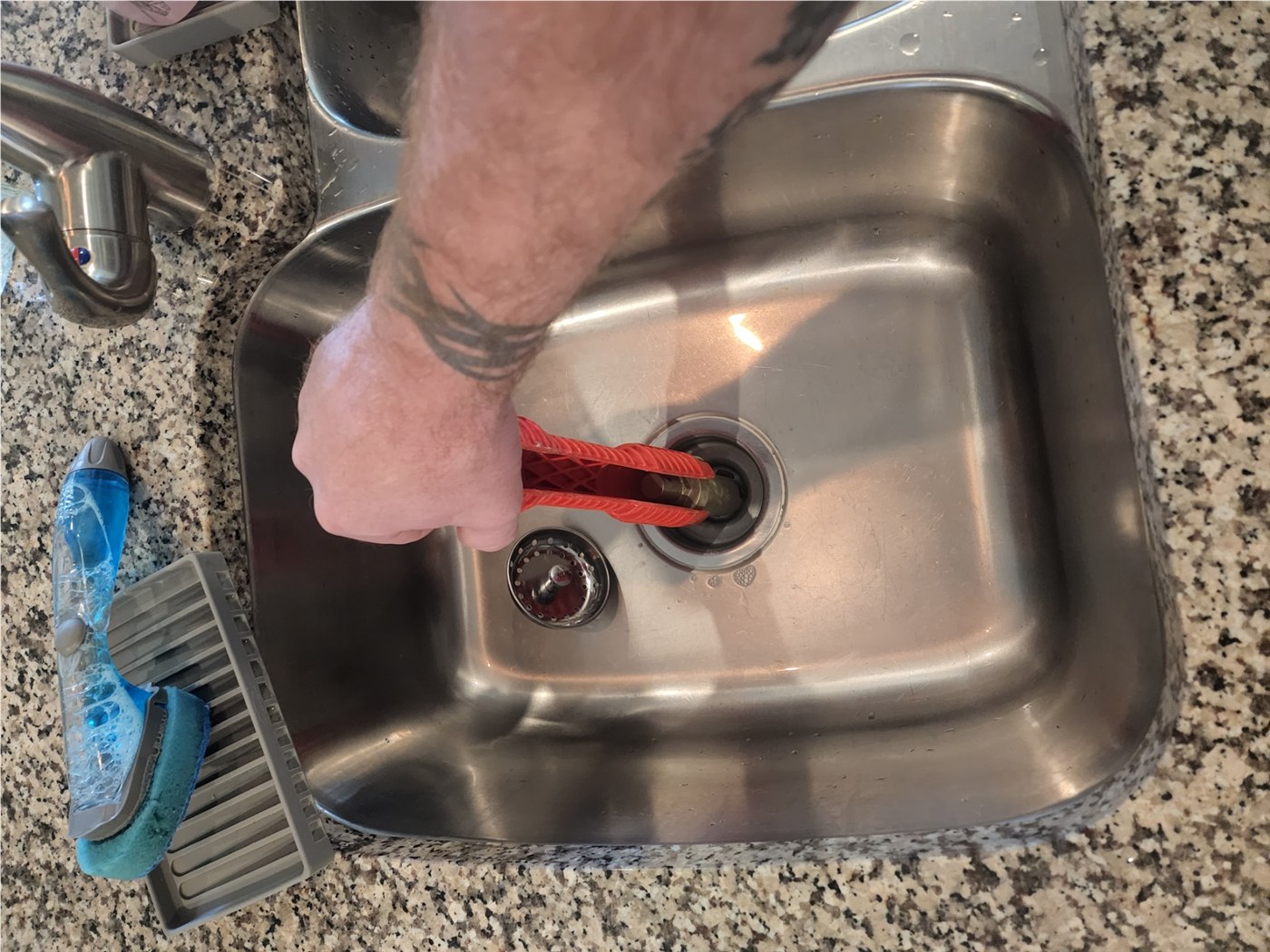
Quick answer
For a hidden aerator, match one of the four keys to its internal notches. For a compatible exposed housing, use the separate wrench opening. Check your faucet model and Danco's instructions before purchase. Keep the tool square and turn gently; stop if it slips, the aerator is seized, or any part starts to deform.

The aerator, mounting hardware and supply connections involve different access points and fasteners. A tool that fits one may not suit another.
- AeratorIdentify exposed or recessed design and the actual size.
- Mounting fastenerWorking clearance matters as much as tool length.
- Supply connectionsUse the correct fastener size and protect finished surfaces.
Who this guide is for
This review is for homeowners cleaning or replacing a hidden faucet aerator after confirming that flow trouble is localized at the spout. It is not a guide to cartridge or supply-line diagnosis.
How we evaluated the fit
The tool is assessed from Danco's key-and-wrench instructions, interface geometry, aerator access, and common faucet maintenance sequence. No hands-on test or claim of brand-wide compatibility is made.
Three checks that matter first
Use these checkpoints to narrow the field before comparing individual models.
Identify a hidden insert or exposed housing
Look into the spout with a light. A recessed insert has notches for a matching key; an exposed aerator has an outer housing. Danco shows separate key and wrench methods for these designs. Check the actual fit and your faucet instructions; do not force key teeth onto outside threads.
Match notch count and diameter
Size is more than outside width. The tabs must align with the aerator's slots, enter to adequate depth, and share the load. If only one tab contacts, the key can shear plastic or damage the insert, making later removal more difficult.
Diagnose flow before blaming the aerator
Compare hot and cold flow and check whether another faucet is affected. A restricted aerator usually changes total spout flow. One-side weakness may point to a shutoff, supply hose, cartridge, or debris elsewhere, which an aerator key cannot correct.
How the four-size format earns its place
Hidden aerators keep the spout profile clean, but their internal position removes the flats found on a conventional collar. A keyed tool restores a turning interface by placing tabs into molded slots. Combining four sizes can be practical for a household with several compatible faucets or when the exact size is uncertain but the relevant families are covered by the current tool description.
Convenience should not be confused with universal fit. Faucet makers use different aerator systems, and replacements may not match the original. The tool should be compared against the current aerator, faucet documentation, and replacement-part number whenever possible. A photograph beside a ruler can help, but small diameter differences and notch depth are difficult to judge from an image alone.
A removal process that protects the spout
Close the drain or place a towel over it so the insert cannot fall into the trap. With the faucet off, insert the matching key squarely and feel for full tab engagement. Apply gentle, steady turning in the removal direction specified for the aerator. Support the tool near the spout rather than using an extension that multiplies force against plastic parts.
If the aerator does not move, stop and identify mineral buildup or thread damage. An appropriate descaling method may help when permitted by the faucet finish and aerator materials, but soaking products must not be allowed to attack decorative coatings. Repeated slipping can round the notches. At that point a plumber or manufacturer-recommended extraction method is safer than sacrificing the spout outlet.
Cleaning, reassembly, and flow check
Lay the aerator components in order and photograph their orientation. Rinse screens and remove loose debris without enlarging openings or reversing flow straighteners. Replace torn seals or damaged inserts with model-compatible parts. Before reinstalling, briefly flush the uncovered spout only if the manufacturer permits it, controlling splash and keeping components out of the drain.
Thread the aerator by hand or with the key under very light pressure to avoid cross-threading. Tighten only enough to seat the seal and prevent leakage; the insert should not be driven deep by leverage. Test both temperature positions, compare stream shape, and inspect around the outlet. Persistent low flow, debris that quickly returns, or imbalance between hot and cold deserves upstream diagnosis.
Options that fit this decision
These links lead to current Amazon listings. Verify the exact model and installation requirements before ordering.

Danco 10909 Multi-Use Faucet Aerator Key
The four keys and separate housing wrench serve different aerator designs. Choose the interface that fully engages your part without slipping. A close-looking fit is not enough; stop rather than applying more force when engagement is incomplete.
- Check first
- Identify the faucet and aerator model, exposed or recessed design, and the housing or notch pattern the tool must engage. Follow the model's fit instructions.
- Best for
- A compatible recessed insert or exposed housing that fully engages the correct interface and is not seized.
- Skip if
- Your aerator or housing does not match the tool, is damaged or seized, or engages only partly.
Frequently asked questions
Does the Danco 10909 fit every hidden aerator?
No. It supplies four sizes, but recessed aerators vary in diameter, notch layout, and proprietary design. Confirm compatibility first.
Can I grip the aerator key with pliers?
That can overload the tool and damage the aerator notches. Use controlled hand force and switch to an approved extraction method if it is seized.
Will cleaning the aerator fix low hot-water flow only?
Usually not if cold flow is normal. One-side restriction may involve a stop, hose, cartridge, or debris upstream of the outlet.