
Emergency Water Shutoff Kit Checklist for Homeowners
A useful water-emergency kit is more than a valve key. It combines a verified shutoff route, the exact tools for that route, lighting and protective gear, early-warning devices, water-control supplies, and current contact information. Every item should have a known purpose before water is on the floor.
Quick answer
Start with a serviceable customer-side main valve and a labeled diagram. Add only the meter-box or curb key confirmed for an authorized backup route, plus gloves, eye protection, a flashlight, towels, and a bucket. Keep alarms near risks and professional contact numbers with the kit.
Six checks before an emergency
- Known shutoff: Locate and label the customer-side main. Arrange service if it leaks or is hard to operate.
- Authorized backup: Ask the utility whether you may access its meter or curb valve, and record the answer.
- Matched tools: Verify any permitted key against the actual lid, valve head, depth, and handle clearance before relying on it.
- Basic supplies: Store a working flashlight, compatible batteries, gloves, eye protection, towels, and a bucket in an accessible, dry place.
- Leak warning: Place and test alarms at likely leak locations according to their instructions.
- Written plan: Keep the valve map and current utility and plumber numbers where the household can reach them without a phone.
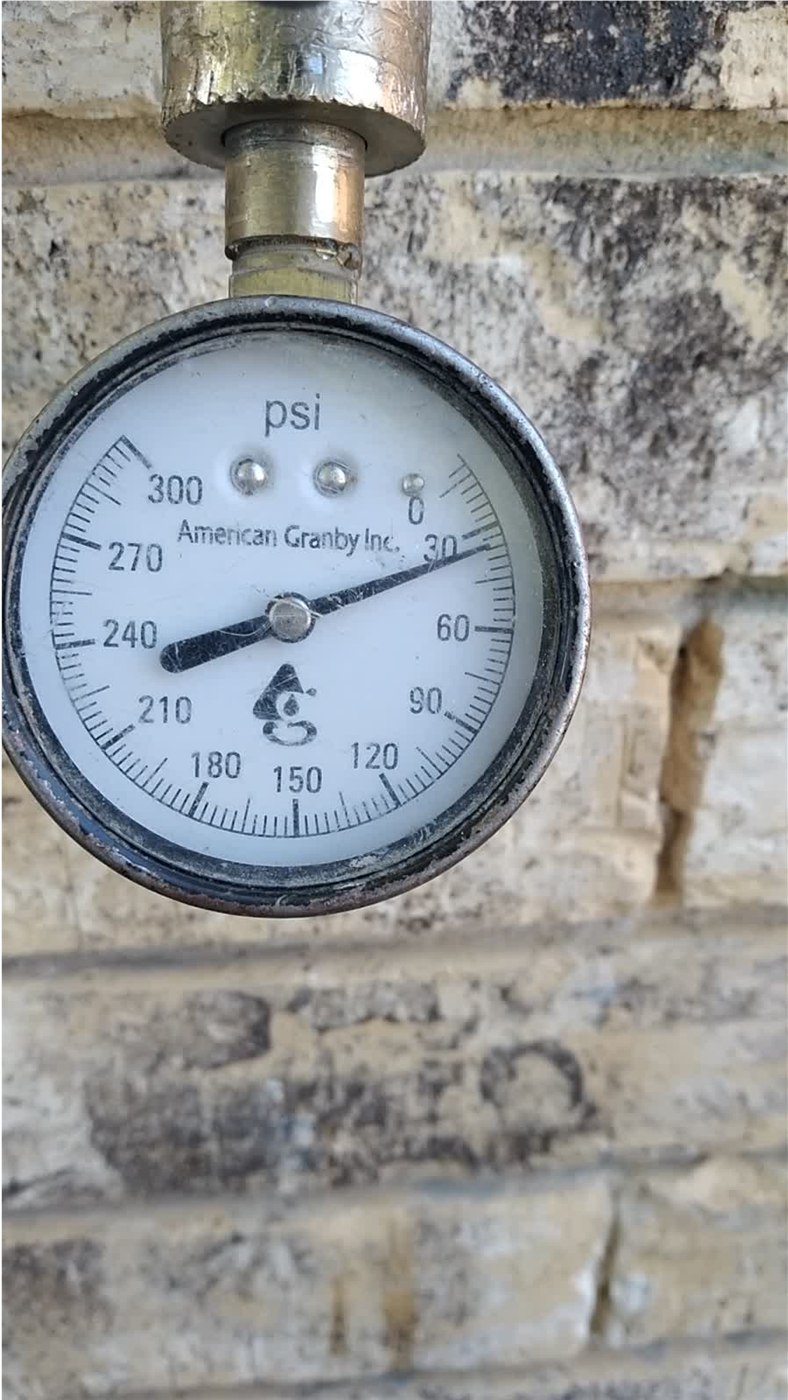
A pump or pressure gauge is optional for a defined cleanup or maintenance task. Neither stops a pressurized leak.

Keep the lid-opening tool, valve-access tool and customer shutoff location distinct. Confirm which controls you are allowed to operate before water starts escaping.
- Meter-box lidA lid key and a valve key do different jobs.
- Meter-side valveUtility rules and valve shape must be confirmed.
- Separate shutoffThe customer shutoff location and design vary.
Who this guide is for
This checklist is for homeowners who want a calm, organized response to a broken supply line, appliance leak, or fixture overflow. It is especially useful after moving into a home with unfamiliar shutoffs. It does not turn residents into emergency plumbers or authorize operation of utility equipment. Gas, sewage, electrical hazards, major flooding, and inaccessible valves require the appropriate professional or emergency response.
How we evaluated the fit
The kit is organized by the sequence of a safe response: detect, assess hazards, isolate water, contain limited clean water, document, and call for repair. Product suggestions are specification-based and not presented as hands-on tested. Compatibility and local utility rules must be verified before any valve tool is relied upon.
Three checks that matter first
Use these checkpoints to narrow the field before comparing individual models.
Build around the primary shutoff
Locate and label the accessible customer-side main valve first. A tool for the utility box is a backup only when the provider permits its use and the exact lid and curb interfaces are confirmed.
Separate stopping water from removing water
Towels, a bucket, or a hand siphon may reduce a small pool, but they do not control a pressurized leak. Close the correct valve or call for help before spending time on cleanup.
Store information with the hardware
A laminated shutoff diagram, utility emergency number, plumber number, insurance contact, and appliance notes can be more valuable than another gadget when stress makes details difficult to recall.
Document the shutoff route
Find the fixture stops, appliance valves, customer-side main, and any utility-controlled curb stop. For each, note the location, normal operating direction, and what it isolates. Confirm identification with a plumber rather than turning unfamiliar valves as an experiment. Photograph the customer-side valve and create a simple one-page map that can be read without unlocking a phone. Keep a copy near the kit and another with trusted household information.
Evaluate access. Boxes should not be hidden under storage, valves should not require reaching past energized equipment, and tools should not be stored in the area most likely to flood. A customer valve that is corroded, leaking, or difficult to operate is a repair priority. Ask the water provider whether homeowners may access the meter or curb stop, what tool is required, and which emergency number to call. Record the answer rather than relying on neighborhood assumptions.
Choose the physical kit
Use a visible, water-resistant container with work gloves, eye protection, a bright flashlight, spare compatible batteries, absorbent towels, a bucket, and a roll of heavy plastic bags. Add the verified house-valve tool or a compatible meter-key option on Amazon (paid link) only after checking authorization and fit. A Zircon local leak alarm on Amazon (paid link) belongs at the risk location, not inside the storage bin, but the kit can hold its battery schedule and test record. Avoid packing temporary repair products that could encourage someone to leave a damaged pressurized line in service.
A hand siphon can transfer suitable clean water from a reachable container or shallow collection area when the discharge route is safe. It should not be used for sewage, chemicals, hot water, or energized flooded spaces. A pressure test gauge can be kept as a maintenance and documentation tool, not as an emergency stop. Label accessories by purpose. If a household member cannot explain when and how an item is used, the kit needs clearer instructions or fewer tools.
Practice a safe response sequence
When water appears, first look for electrical, slip, structural, hot-water, and contamination hazards. Move people and pets away. If safe, close the nearest known fixture or appliance valve; use the customer main when the source is unclear or a branch valve fails. Call the utility for an authorized curb shutdown and call a licensed plumber for diagnosis and repair. Photograph damage only after immediate hazards and water flow are controlled.
Contain limited clean water with towels or a bucket, but do not enter deep or spreading water to save belongings. After the event, dry affected materials with appropriate restoration help, replace failed plumbing components, test alarms, and restock the kit. Review the plan annually and after renovations, appliance replacement, utility work, or a household move. Preparedness is the ability to act safely, not simply ownership of tools.
Build the plan before buying the kit
Confirm the approved shutoff route before relying on any tool. The City of Frisco's official leak manual explains its meter-box and shutoff guidance, while current Public Works guidance says to call for help when the shutoff cannot be identified or accessed. For individual kit items, verify current specifications and instructions on the manufacturers' sites: King Innovation pumps, the Zircon Leak Alert and its instructions, and the Watts 276H300 gauge. Marketplace copy never replaces the exact model instructions or a verified emergency plan.
Options that fit this decision
These links lead to current Amazon listings. Verify the exact model and installation requirements before ordering.

2-in-1 Water Meter Valve Key with Lid Opener T-Handle
This combination tool may cover lid access and curb-valve operation when both ends match an authorized meter box. It can reduce kit pieces, but each function needs independent dimensional verification. Store it with a diagram that identifies the correct end and never treat its T-handle as permission to force a valve.
- Check first
- Confirm utility rules, lid feature, valve-head shape, depth, and handle clearance.
- Best for
- A verified backup shutoff route where both combination features fit.
- Skip if
- The utility controls the valve, the box is unsafe, or the house main is the only approved homeowner control.
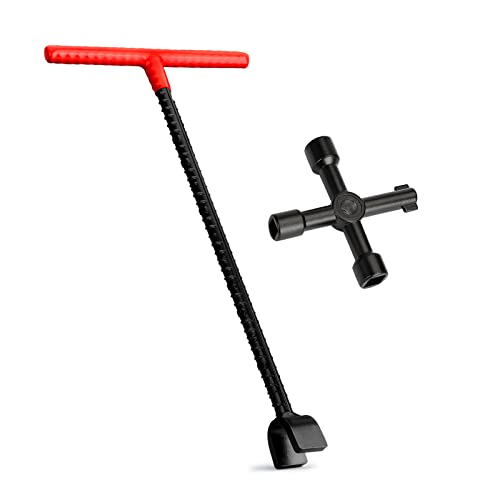
Eapele 16-inch Water Meter Key with T-Handle
The moderate-length T-handle and added cross-key features may suit a known box with matching interfaces. It is not a general emergency answer. Compare the sixteen-inch reach and handle swing with the exact valve, and label only the verified function in the kit.
- Check first
- Measure access and identify every working end before relying on the tool.
- Best for
- An authorized moderate-depth curb valve that has been positively matched.
- Skip if
- The valve is deeper, stuck, unidentified, or utility-operated.

King Innovation 48072 Hand Pump Siphon
A manual siphon can assist with transferring limited, nonhazardous water when the intake and discharge can be positioned safely. The listed hose dimensions should be compared with the intended container and route. It is a cleanup accessory after control of the source, not a pump for every flood condition.
- Check first
- Confirm fluid type, water temperature, lift and routing needs, discharge location, and that no electrical or contamination hazard is present.
- Best for
- Moving a manageable amount of clean water between accessible containers or low areas.
- Skip if
- Water is contaminated, hot, deep, near electricity, or requires powered restoration equipment.

Zircon Leak Alert Water Detector
A local spot alarm supports the detection step when placed where escaping water will reach it and someone can hear it. It belongs beside the risk, with its test and battery information stored in the plan. It does not shut off water or replace inspection of hoses and valves.
- Check first
- Map the low point, check audibility, and confirm access for testing.
- Best for
- Early local warning beside a high-risk fixture in an occupied home.
- Skip if
- The response plan requires remote alerts or automatic valve closure.

Watts Water Pressure Test Gauge, 3/4-inch Hose Connection
This hose-connection gauge can support nonemergency pressure documentation at a compatible outlet when used correctly. The broad scale is a specification to interpret with context, not a diagnosis. Keep it in the maintenance side of the kit and share unusual readings with a plumber.
- Check first
- Verify connection compatibility and the correct measurement procedure.
- Best for
- Recording a preliminary pressure snapshot as part of preventive maintenance.
- Skip if
- You need a device that stops water, detects leakage, or continuously monitors pressure.
Frequently asked questions
Should plumbing repair tape be in the emergency kit?
Temporary products can be misapplied to pressurized or damaged plumbing. Prioritize shutoff, containment, and professional repair rather than planning to leave an improvised patch in service.
Where should the kit be stored?
Choose an accessible, dry location outside likely flood zones. Every adult household member should know it, and the shutoff diagram should be readable without a phone.
Do I need a water meter key if I have a house main valve?
A serviceable house main may be the preferred control. A meter or curb key is only a verified, authorized backup and may be unnecessary under local utility rules.