
COPPER WORK / PROFESSIONAL DECISION
Soldering vs. Brazing Copper Pipe: Different Joints, Different Tools
The right question is not which joint sounds stronger. It is which joining method the system, materials, and applicable requirements call for.
Sergeant Plumber Corp. · Veteran-owned · Practical plumbing, smarter buying

The short answer
Soldering and brazing use different filler-metal temperature ranges and procedures. The Copper Development Association uses 840°F as the dividing point. Choose the specified method for the service; do not substitute brazing just because a torch can produce more heat.

The joining method changes the materials and heating requirements. In either case, identify the tube, fitting and prepared surfaces before choosing tools.
- Cut edgeInspect the cut and remove the internal burr.
- Mating surfacesThe tube and fitting both need the specified preparation.
- Flux and filler choiceMatch materials and the joining method to the job.
What actually changes?
Both processes join metal using a filler without intentionally melting the base tube. The Copper Development Association distinguishes soldering from brazing at a filler-metal temperature of 840°F. Brazing uses the higher-temperature category. That classification explains the terminology; it does not tell you which process is permitted for your particular installation. Copper Development Association: soldering and brazing.
A water-distribution repair, a refrigeration installation, and a specialized gas system have different requirements. Copying a technique from a video about another service is not a reliable way to choose.
Why ‘stronger’ is an incomplete buying argument
A joint is part of a system: tube, fittings, filler, service conditions, supports, and installation requirements. Spending more on a hotter torch does not correct a wrong fitting, damaged tube, or unsuitable filler. The specified method should come before the shopping list.
For builders and maintenance teams, the useful purchase document identifies the system and approved joining method. It should not simply say ‘copper torch kit.’ That leaves too many critical choices to the person opening the box.
Flux is not interchangeable by default
Flux requirements depend on the base metals and filler being used. Some brazing combinations have different requirements from others. Soldering flux is not a generic substitute for brazing flux. The Copper Tube Handbook explains that brazing flux selection must match the materials and process. Copper Tube Handbook: brazing flux.
Likewise, read the filler label and the joint manufacturer’s instructions. An online listing that calls an alloy ‘for copper’ has not answered questions about the service, approvals, or the other metal in the joint.
What belongs on the equipment checklist?
- Tube preparation: the right cutter, reamer, and cleaning tools for the material and connection.
- Specified consumables: the correct filler and, where required, the correct flux.
- Heat source: a torch-and-fuel combination suitable for the joint size and procedure.
- Safety setup: the protection, ventilation, fire precautions, and work authorization the location requires.
- Verification: the inspection and testing appropriate to the completed system.
The general-purpose products below are components to evaluate, not a complete certified kit for any specialized service. Their presence in this article is not an endorsement for medical-gas or refrigerant work.
Preparation still matters
A burr, contaminated joining surface, damaged fitting, or poor fit does not become acceptable because the process uses more heat. The Copper Development Association’s handbook treats tube preparation and joint assembly as distinct steps. Follow the full process for the system rather than selecting only the parts that seem convenient. Copper Tube Handbook.
A look inside a soldered copper joint
Bryan shows the cleaning, fluxing, heating and soldering steps, then cuts the sample joint open to inspect the inside. The bare area shows where solder did not take. Excess flux or insufficient heat are possible causes; this video does not establish the exact cause.
This edited workshop demonstration does not show every preparation, safety, cooling or testing step. No pressure-test result is claimed. Follow the complete procedure specified for the system and materials.
When to bring in a qualified professional
Use qualified help for unfamiliar hot work, concealed combustible conditions, live systems, and services with specialized training or certification requirements. Do not attempt to identify a line’s contents by cutting or heating it. If you are a renter, contact the property owner rather than opening the building’s piping.
For a homeowner comparing repair proposals, ask the contractor why the proposed joining method is appropriate, how the area will be protected, and how the repair will be checked. Those answers are more useful than insisting on a particular process after reading a product advertisement.
Product options to compare
Affiliate disclosure: As an Amazon Associate, Sergeant Plumber Corp. may earn from qualifying purchases. If you buy through a link on this page, Sergeant Plumber Corp. may earn a commission at no additional cost to you.
These are specification-based options, not a ranked hands-on test of every product. Our project photos illustrate the work; they do not establish that every linked model was used on that job. Always confirm fit and current instructions.

Bernzomatic TS8000 torch head
A trigger-start torch-head option for its approved propane or MAP-Pro applications.
Before you buy: This listing is for the head, not a complete hot-work kit. Confirm fuel, joint size and procedure. Light-brazing capability is not approval for every specialized brazing job.
View TS8000 torch head on Amazon
Paid link · Confirm the selected model and package before ordering.
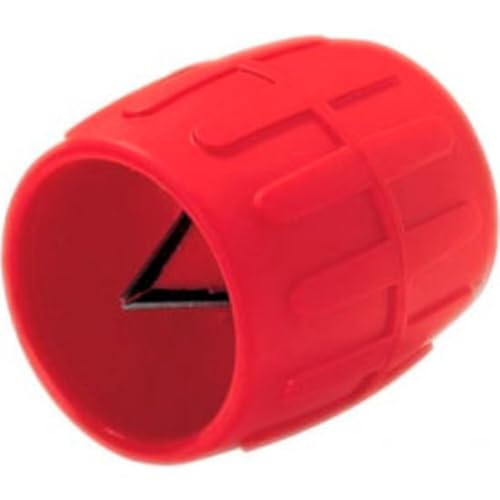
RIDGID 127 inner/outer reamer — 34965
A compact tube-end preparation option to evaluate alongside a cutter.
Before you buy: Match the exact model, material and size range. A reamer does not replace cleaning or other preparation required by the fitting system.
View RIDGID 127 reamer on Amazon
Paid link · Confirm the selected model and package before ordering.
Common questions
Is brazing always better than soldering?
No. The appropriate method depends on the system, materials, service conditions, and applicable requirements.
Can I use soldering flux for a brazed joint?
Do not assume so. Select flux according to the exact base metals, filler, and process instructions.
Does owning a brazing-capable torch qualify me for specialized piping work?
No. Equipment capability does not replace training, required qualifications, or system-specific procedures.