
All tool categories / Leak Prevention Tools
Leak Prevention Tools
Explore your water heater
Choose electric or gas, then tap a number or select a part to see what it does and what to check.
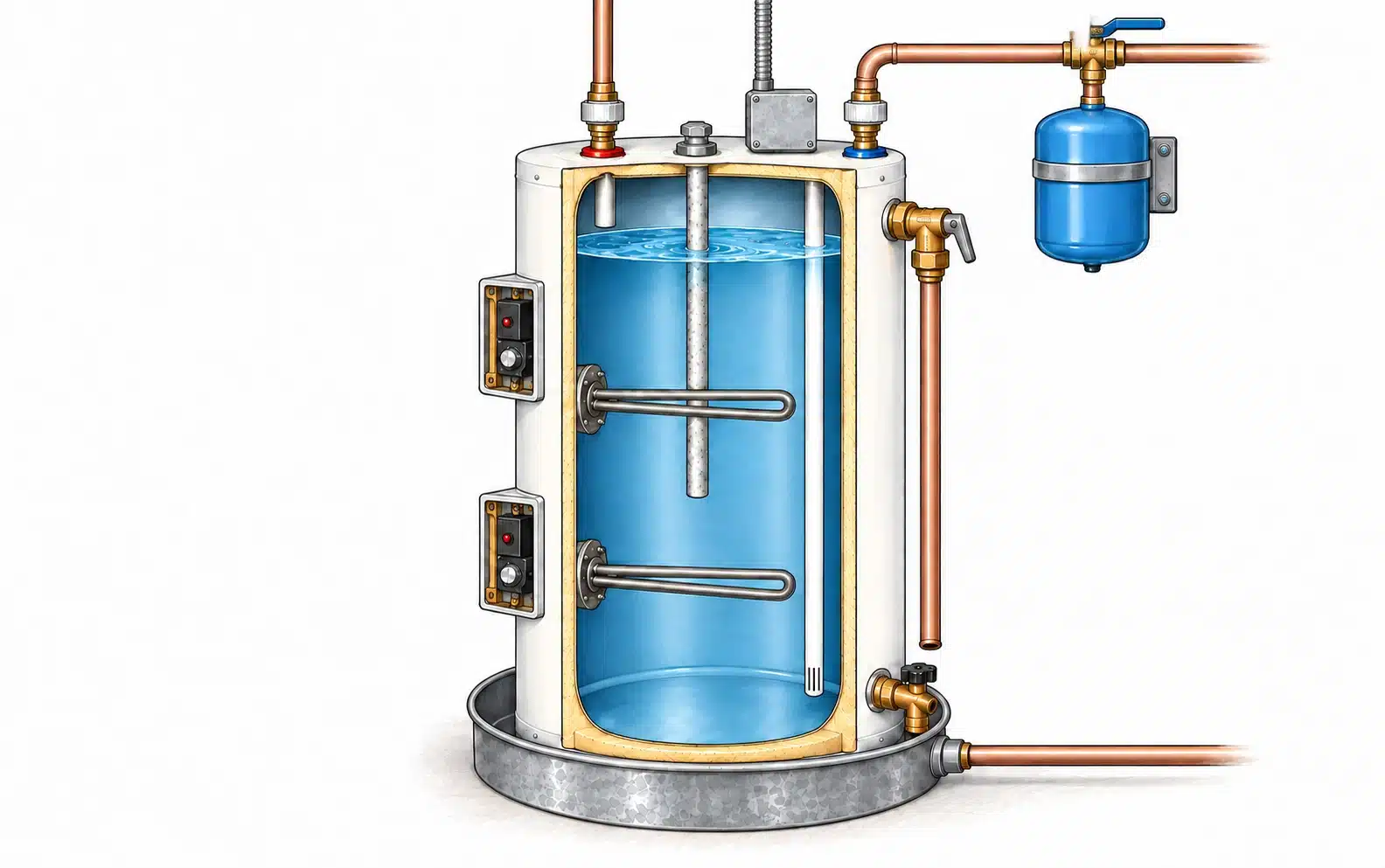
Illustrated cutaway for identification. Wiring and installation details are omitted.
See all 15 labeled parts
1. Cold inlet & dip tube
Incoming cold water travels down the dip tube toward the bottom of the tank.
Replacement dip tubes are model-specific; confirm the heater model and manufacturer part number.
A closer look at the parts
Paid links: Sergeant Plumber Corp. may earn a commission at no additional cost to you.

¾-inch diameter × 54¾-inch length; only for matching models.
2. Hot-water outlet
Heated water leaves through the outlet near the top of the tank.
Match the connection size, material and temperature rating.
A closer look at the parts
Paid links: Sergeant Plumber Corp. may earn a commission at no additional cost to you.
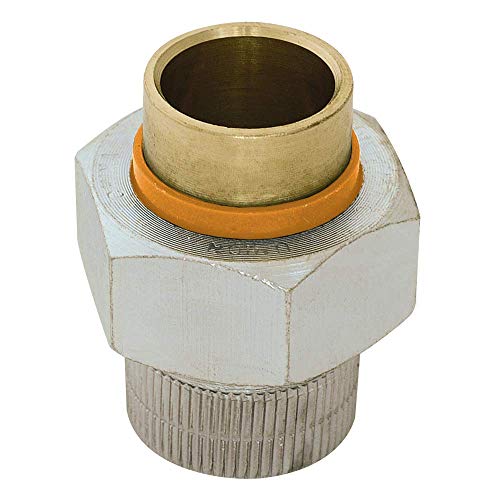
Eastman ¾-inch dielectric union
¾-inch FIP × ¾-inch solder; confirm approved connection method.
3. Cold-water shutoff
This valve stops new cold water entering the heater.
Shutting the supply does not remove water already stored in a leaking tank.
A closer look at the parts
Paid links: Sergeant Plumber Corp. may earn a commission at no additional cost to you.
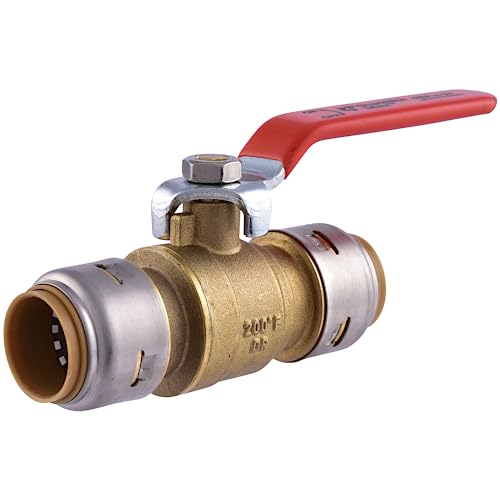
SharkBite Max ¾-inch ball valve
Push-to-connect valve for listed compatible tubing; check heater instructions.
4. Expansion tank
A potable-water expansion tank provides space for water to expand as it heats in a closed system.
Tank size, air charge, location and independent support must suit the system.
A closer look at the parts
Paid links: Sergeant Plumber Corp. may earn a commission at no additional cost to you.

Potable-water expansion tank; size and precharge must suit the system.
5. Dielectric connections
Dielectric unions or approved connectors help separate dissimilar metals at the water connections.
Use the connection method specified for the heater; built-in dielectric nipples and approved connectors vary.
A closer look at the parts
Paid links: Sergeant Plumber Corp. may earn a commission at no additional cost to you.
Eastman ¾-inch dielectric union
¾-inch FIP × ¾-inch solder. Not required with every connection design.
6. T&P relief valve & discharge
This safety valve responds to excessive temperature or pressure. Its discharge pipe carries released hot water to an approved termination.
Never cap the valve or discharge pipe. A plumber should identify why it is discharging.
A closer look at the parts
Paid links: Sergeant Plumber Corp. may earn a commission at no additional cost to you.

Extended probe; a plumber must match pressure, temperature and capacity ratings.
7. Anode rod
A sacrificial anode helps protect the steel tank from internal corrosion.
Match the rod material, thread, length and available overhead clearance to the heater.
A closer look at the parts
Paid links: Sergeant Plumber Corp. may earn a commission at no additional cost to you.

Eastman 42-inch flexible magnesium anode
Nipple-style connection; match the exact heater and installation clearance.
8. Tank drain valve
The drain valve connects to the tank near its base for draining and maintenance.
Water can be scalding. Valve length, thread and installation must match the heater.
A closer look at the parts
Paid links: Sergeant Plumber Corp. may earn a commission at no additional cost to you.

¾-inch full-port brass drain valve
Straight drain valve; check thread, length and heater compatibility.
9. Drain pan
A pan catches some leakage beneath the tank and directs it toward its drain connection.
Choose the correct diameter, depth and material. A pan cannot contain every leak.
A closer look at the parts
Paid links: Sergeant Plumber Corp. may earn a commission at no additional cost to you.

Camco 24-inch plastic drain pan
For suitable electric-heater applications only; verify required clearance and drain connection.
10. Pan drain
This separate pipe carries water away from the drain pan.
It is separate from the tank drain valve and the T&P discharge; routing and termination require correct installation.
11. Upper heating element
The upper immersion element heats water near the top of a conventional two-element electric heater.
Match voltage, wattage, mounting style and element length. Electrical servicing requires power isolation and verification.
A closer look at the parts
Paid links: Sergeant Plumber Corp. may earn a commission at no additional cost to you.

Camco 02583 foldback heating element
4500 W, 240 V, screw-in low-watt-density element; match the heater label.
12. Upper thermostat & high limit
The upper thermostat controls heating near the top; the high-limit device interrupts power if temperature becomes excessive.
A tripped high limit needs diagnosis. Match the exact control and wiring arrangement.
A closer look at the parts
Paid links: Sergeant Plumber Corp. may earn a commission at no additional cost to you.

Camco 07043 electric-heater repair kit
Apcom-style kit with thermostats and elements; confirm all specifications before ordering.
13. Lower heating element
The lower element heats the lower portion of the tank. Many conventional units operate one element at a time.
Match the heater label and approved replacement part; do not assume upper and lower components are identical.
A closer look at the parts
Paid links: Sergeant Plumber Corp. may earn a commission at no additional cost to you.
Camco 02583 foldback heating element
4500 W, 240 V, screw-in low-watt-density element; match length and mounting.
14. Lower thermostat
The lower thermostat responds to tank temperature and controls the lower heating cycle.
Do not remove covers or touch wiring with power on. Diagnosis should come before replacing parts.
A closer look at the parts
Paid links: Sergeant Plumber Corp. may earn a commission at no additional cost to you.

Apcom-style lower control; verify model and wiring compatibility.
15. Electrical junction box
The power supply connects to the heater at its electrical junction box.
Circuit, grounding and wiring requirements depend on the heater. The drawing omits wiring details.
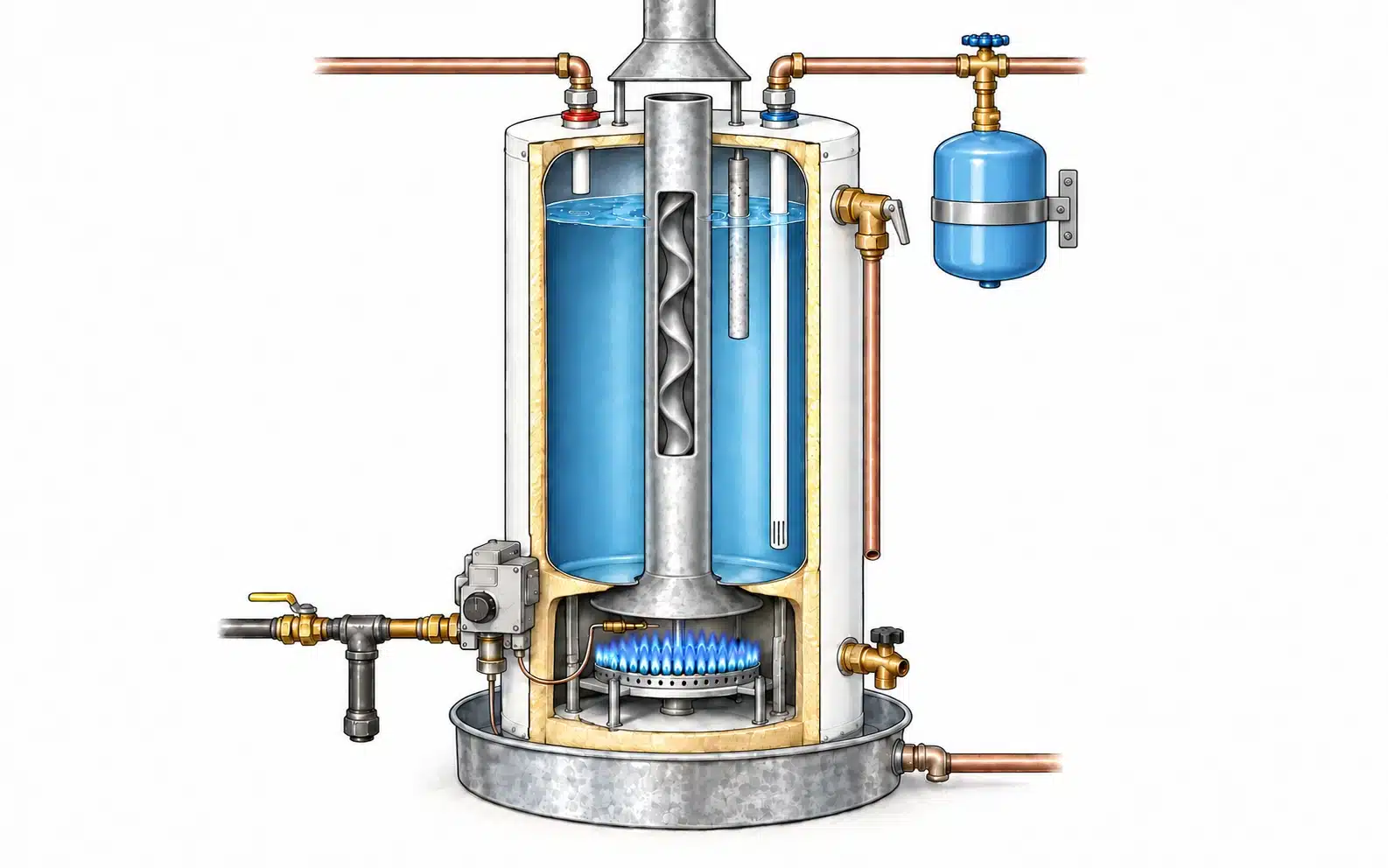
Illustrated cutaway for identification. Power-vent, direct-vent and condensing models differ.
See all 17 labeled parts
1. Cold inlet & dip tube
Incoming cold water travels down the dip tube toward the bottom of the tank.
Replacement dip tubes are model-specific; confirm the heater model and manufacturer part number.
A closer look at the parts
Paid links: Sergeant Plumber Corp. may earn a commission at no additional cost to you.
¾-inch diameter × 54¾-inch length; only for matching models.
2. Hot-water outlet
Heated water leaves through the outlet near the top of the tank.
Match the connection size, material and temperature rating.
A closer look at the parts
Paid links: Sergeant Plumber Corp. may earn a commission at no additional cost to you.
Eastman ¾-inch dielectric union
¾-inch FIP × ¾-inch solder; confirm approved connection method.
3. Cold-water shutoff
This valve stops new cold water entering the heater.
Shutting the supply does not remove water already stored in a leaking tank.
A closer look at the parts
Paid links: Sergeant Plumber Corp. may earn a commission at no additional cost to you.
SharkBite Max ¾-inch ball valve
Push-to-connect valve for listed compatible tubing; check heater instructions.
4. Expansion tank
A potable-water expansion tank provides space for water to expand as it heats in a closed system.
Tank size, air charge, location and independent support must suit the system.
A closer look at the parts
Paid links: Sergeant Plumber Corp. may earn a commission at no additional cost to you.
Potable-water expansion tank; size and precharge must suit the system.
5. Dielectric connections
Dielectric unions or approved connectors help separate dissimilar metals at the water connections.
Use the connection method specified for the heater; built-in dielectric nipples and approved connectors vary.
A closer look at the parts
Paid links: Sergeant Plumber Corp. may earn a commission at no additional cost to you.
Eastman ¾-inch dielectric union
¾-inch FIP × ¾-inch solder. Not required with every connection design.
6. T&P relief valve & discharge
This safety valve responds to excessive temperature or pressure. Its discharge pipe carries released hot water to an approved termination.
Never cap the valve or discharge pipe. A plumber should identify why it is discharging.
A closer look at the parts
Paid links: Sergeant Plumber Corp. may earn a commission at no additional cost to you.
Extended probe; a plumber must match pressure, temperature and capacity ratings.
7. Anode rod
A sacrificial anode helps protect the steel tank from internal corrosion.
Match the rod material, thread, length and available overhead clearance to the heater.
A closer look at the parts
Paid links: Sergeant Plumber Corp. may earn a commission at no additional cost to you.
Eastman 42-inch flexible magnesium anode
Nipple-style connection; match the exact heater and installation clearance.
8. Tank drain valve
The drain valve connects to the tank near its base for draining and maintenance.
Water can be scalding. Valve length, thread and installation must match the heater.
A closer look at the parts
Paid links: Sergeant Plumber Corp. may earn a commission at no additional cost to you.
¾-inch full-port brass drain valve
Straight drain valve; check thread, length and heater compatibility.
9. Drain pan
A pan catches some leakage beneath the tank and directs it toward its drain connection.
Choose the correct diameter, depth and material. A pan cannot contain every leak.
10. Pan drain
This separate pipe carries water away from the drain pan.
It is separate from the tank drain valve and the T&P discharge; routing and termination require correct installation.
11. Burner assembly
The burner heats the base of the tank from a separate combustion chamber below the stored water.
Burner and orifice selection depend on the exact heater and fuel. Gas service requires qualified diagnosis.
12. Gas control & thermostat
The gas control regulates fuel to the burner in response to water temperature and the safety controls.
Replacement gas controls are model- and fuel-specific; similar appearance does not establish compatibility.
13. Pilot / ignition & flame sensing
The ignition and flame-sensing components establish and monitor burner operation. Designs vary.
Some heaters have standing pilots; others use electronic ignition. Use the exact manufacturer assembly.
14. Flue & internal baffle
Combustion gases rise through a sealed flue inside the tank. The internal baffle guides the gases and aids heat transfer.
The flue separates combustion gases from the water. Venting problems need prompt professional assessment.
15. Draft hood & vent
This conventional atmospheric-vent example has a draft hood above the tank leading to the vent.
Power-vent, direct-vent and condensing gas heaters use different systems. Use the specified draft hood and vent design.
16. Manual gas shutoff
A separate manual gas valve controls fuel supply to the heater.
If you smell gas, leave the area and contact the gas utility or emergency services from a safe location.
17. Sediment trap
A capped collection leg in the gas piping helps keep debris from entering the gas control.
Location and assembly must follow the heater instructions and applicable requirements.
Browse alarms, automatic shutoffs, pressure gauges and replacement hoses.
Product links are paid links. Sergeant Plumber Corp. may earn a commission at no additional cost to you. As an Amazon Associate, Sergeant Plumber Corp. may earn from qualifying purchases.
An alarm alerts you; a shutoff closes a supply. Neither repairs a leak. For active leaking or unsafe water near electricity, arrange plumbing help.

Water-leak alarmsLocal alarms and connected sensor kits
2 options
Zircon
Leak Alert Alarm
9 V · audible alarm
Place near a likely leak point.
Fit details
A local sound alarm, not a Wi-Fi notification system or automatic shutoff. Install and test the battery and sensing contacts as directed.
Paid links: We may earn a commission, including additional compensation from the brand. As an Amazon Associate I earn from qualifying purchases.

X-Sense
Connected Leak Sensor Kit
SWS0A41 · 4 sensors + SBS50 base
Phone alerts when connected. No automatic water shutoff.
Specification-based option; not hands-on tested.
Fit details
The base needs power and 2.4 GHz Wi-Fi. The audible alarm sounds at the base; sensors flash. Test the intended locations and notifications. Single-sensor and three-sensor add-on packs need a separate base.

Automatic shutoffsMatch the valve to the installation
1 option
FloodStop
Water-Heater Shutoff Kit
¾ in. NPT male × female
Sensor-triggered supply shutoff.
Fit details
FS3/4NPT version. Confirm supply size, valve orientation and power. Closing the inlet does not remove stored tank water. Professional installation is recommended.

Pressure gaugesMeasure at a compatible connection
1 option
Watts
Water Pressure Gauge
0–300 PSI · ¾ in. hose thread
Spot-check a compatible hose connection.
Fit details
Match the exact 276H300 / IWTG listing. A gauge measures pressure; it does not regulate it or diagnose every intermittent problem. Follow the connection and pressure limits.

Appliance hosesReplacement washer hose options
1 option
Eastman
Washer Hose Pair
5 ft · ¾ in. FHT
Braided hoses with 90° elbows.
Fit details
Model 41065. Hose thread is not pipe thread. Confirm routing, inlet/outlet fit and washers; inspect periodically and follow the appliance’s replacement guidance.


