
Plumbing Guides & Tool Advice
Start with the part, problem, or tool in front of you. Find what to check before buying, compare useful options, and know when to call a plumber.
Find guides for your role
Choose the starting point that fits your work. Owners, experienced plumbers, apprentices, homeowners, and DIYers often need different details before making the same purchase.
Business owners
Plan the computers, cameras, truck racks, and storage that keep your plumbing business organized.
Explore business owner resources →Use the equipment buying checklistMaster plumbers
Compare professional equipment, system compatibility, and the limits that matter before a larger purchase.
Professional drain-camera equipmentDrum vs. sectional drain machinesJourneymen
Match service tools to access, clearances, connection types, and the work in front of you.
Basin wrench vs. faucet toolMini copper cutters for tight spacesApprentices
Build your tool kit and learn fit checks. Confirm employer requirements and work within your assigned supervision.
Start with your plumbing tool bagPTFE tape vs. pipe thread sealantHomeowners
Learn where to start, what to keep accessible, and when a plumbing problem needs professional help.
New-homeowner plumbing checklistEmergency water-shutoff kitDIYers
Identify the part and size before buying. Follow the fixture instructions and stop when a repair exceeds your skills.
Aerator key vs. wrenchMatch a 1¼-inch or 1½-inch P-trapStart with the part or pipe involved, then compare the tools made for that job.


Illustrations show general layouts. Actual components and connections vary.
Match a part before you buy
Start with a fit guide, then see the replacement parts or tools to consider.
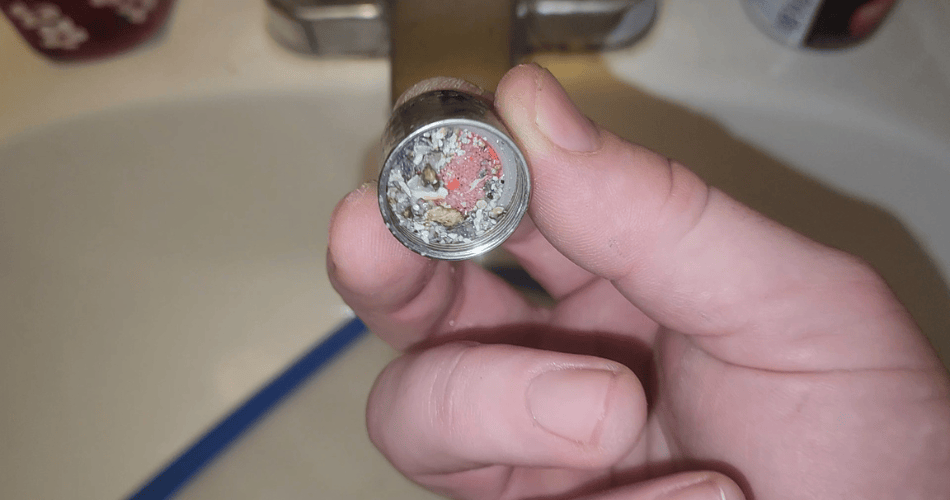 Faucet aerator sizesMatch the threads and assembly before choosing a replacement.Find your aerator fit →
 Sink trap sizesCompare 1¼- and 1½-inch traps and check the connections.Compare trap sizes →
 Disposal wrench fitCheck your model’s tool size and unjamming method first.Check the wrench fit →
 Shower & tub hair catchersCheck the drain opening, shape and stopper clearance before choosing a catcher.Match your drain shape →
Looking for leak prevention or a broader tool kit? Browse the collections below ↓
Start with your toilet problem
A running toilet and a replacement-part question need different starting points. Choose the guide that matches what you know so far.
The toilet keeps running
Start with the symptom, follow the simple checks, and find out whether an adjustment or a repair is the next step.
Troubleshoot a running toilet →You need a replacement flapper
Check the valve opening, tank model, and mounting style before comparing compatible replacement options.
Find the right toilet flapper size →If water is reaching the floor, the shutoff is damaged, or the problem keeps returning, request toilet repair or call (972) 595-4431. Product options in the guides include paid links; diagnosis and fit come first.
Browse tools by category
Choose a picture to see tools for that job, compare options, and check the fit before you buy.
Affiliate disclosure: Product collections contain paid links. As an Amazon Associate, Sergeant Plumber Corp. may earn from qualifying purchases.
 Copper Cutting ToolsBrowse tools
  PVC Cutting ToolsBrowse tools
  Sewer CamerasBrowse tools
  Drain Cleaning EquipmentBrowse tools
  Wrenches & PliersBrowse tools
  Faucet Installation ToolsBrowse tools
  Leak PreventionBrowse tools
  Sealants & TapeBrowse tools
  Water Meter Tools & PumpsBrowse tools
 Category illustrations. The linked collections show individual product photos.
Explore the complete Toolbox Shop →
Product links in the shop are paid links. Your shortlist is not an Amazon cart; purchases happen on Amazon.
Browse plumbing topics
Start with the part of your home or the problem you are trying to understand. Explore practical guides, comparisons, and professional service options.
Watch real plumbing jobs
See what these repairs involved through Sergeant Plumber Corp.’s own job videos, photos, and explanations.
Want more real plumbing videos? Subscribe on YouTube

Copper sink restoration
See the loose sink, the restoration work, and the finished remounting in a 40-second job video.
Watch the sink repair
Hose bibb replacement in brick
Follow the full repair, from opening the brick and replacing the faucet to restoring the wall.
Watch the outdoor faucet repairHave a similar plumbing problem? Request a service evaluation.
Find the right tool or answer
Focused comparisons, troubleshooting articles, and buying checklists—with original company photos and practical limits alongside the product options.
Home fit & leak prevention
Start with the symptom, the measurements, and the connection.
- Shower and Tub Drain Hair Catchers: Match the Catcher to Your Drain
- X-Sense SWS0A41: Starter Kit or Add-On Sensors?
- 1-1/4 vs. 1-1/2 Inch P-Trap: How to Choose the Right Sink Trap
- Dishwasher Air Gap Leaking? What to Check Before Buying Parts
- Choosing a Water Pressure Gauge for Your Home: Readings That Mean Something
- Braided vs. Rubber Washing Machine Hoses: What Actually Matters
- Round vs. Elongated Toilet Seats: Measure Before You Order
Hand tools & working smarter
Choose jaws, reach and access for the jobs you actually do.
- Basin Wrench vs. Faucet Installation Tool: Which Fits Under Your Sink?
- Pipe Wrench vs. Adjustable Wrench: Stop Damaging the Wrong Fittings
- Pliers Wrench vs. Water Pump Pliers: Smooth Jaws or Teeth?
- Sink Basket Strainer Wrenches: Holding the Drain Without Wrecking It
- A Plumbing Tool Bag That Makes Sense: Build Around the Jobs You Do
Copper tools & joining decisions
Compare cutting, preparation and approved torch applications.
- Mini Copper Tubing Cutters: What Fits in a Tight Space?
- Copper Pipe Deburring Tools: The Small Step a Cutter Does Not Finish
- Copper Cleaning Brushes: Tube and Fitting Size Guide
- Propane vs. MAP-Pro for Copper Pipe: Match the Torch to the Job
- Soldering vs. Brazing Copper Pipe: Different Joints, Different Tools
Sealing the right connection
Putty, silicone, tape and compound are not interchangeable defaults.
Sewer inspection & professional equipment
Understand complete systems, locating and machine limitations.
Start with the question in front of you
Do you know where the water shuts off?
Prepare before a leak: learn about emergency water shutoff, then understand the difference between a meter-box key and a shutoff key. Your property’s valve and local utility rules determine the right approach.
Is your water meter box full of water?
Start with our rainwater-or-leak troubleshooting guide to understand the clues and who to call. If water removal is safe and permitted, compare manual and battery transfer pumps before buying equipment.
Want an early warning for indoor leaks?
Learn where to place water leak detectors, then compare an alarm with an automatic shutoff system. A standalone alarm needs someone to respond; automatic shutoff requires a compatible valve system. Neither repairs the leak. For product choices, start with the leak-protection guide below.
Do you need an aerator key or a wrench?
A weak or uneven faucet stream may start at the outlet. Use our faucet aerator key vs. wrench guide to identify the fitting, check tool compatibility, and clean a removable aerator carefully. Replacing the part? Our faucet aerator size charts and replacement guide help you match the threads, assembly, and flow rating before buying.
Prepare for leaks at home or in a rental
Choose a guide for your situation, then check the product fit and the jobs to leave to a professional. Product options in these guides include paid links.
 Leak alarms & water-heater shutoffCompare alarm options and the FloodStop water-heater kit, including installation and coverage limits.Compare leak-protection options →
 A homeowner’s emergency kitStart with the basics, a water-shutoff plan, and optional product choices. A kit does not repair a leak.Build a home emergency kit →
 A simple renter’s toolkitSee useful basics and optional products, plus what to report to maintenance. Follow your property’s repair procedure.Choose renter-friendly basics →
Considering an X-Sense kit? Check starter kits versus add-on sensors before choosing a package.
Dealing with an active leak or a damaged shutoff? Request a service evaluation or call (972) 595-4431.
About product links: Some guides contain affiliate links. As an Amazon Associate, Sergeant Plumber Corp. may earn from qualifying purchases. Sergeant Plumber Corp. may earn a commission at no additional cost to you. Product examples are not promises of a repair outcome. Read our affiliate disclosure.
Browse the latest articles
New articles appear here as they are published. Each one focuses on a specific question, with useful explanations before product recommendations.
- RIDGID K-6P Toilet Auger Review: Manual Control & FitReview the RIDGID K-6P six-foot toilet auger’s staged reach, bowl protection, manual control, cleanup needs, and limits before tackling a local clog.
- 3-Foot vs. 6-Foot Toilet Auger: How Much Reach Do You Need?Compare 3-foot and 6-foot toilet augers by reach, cable control, cleaning, and clog location so you can choose safely or know when to call a plumber.
- Copper Cleaning Brushes: Tube and Fitting Size GuideClean both mating surfaces before soldering copper. Match nominal tube size to actual outside diameter, distinguish cleaning from deburring, and compare the researched Mill-Rose 62850 brush kit.
- Shower and Tub Drain Hair Catchers: Match the Catcher to Your Drain
 Match a shower or tub hair catcher to the drain opening, stopper, grate, surface, flow, and cleaning routine—without calling untested products “best.”
 - X-Sense SWS0A41: Starter Kit or Add-On Sensors?
 Check the base station, package contents, Wi-Fi requirements and response plan before choosing an X-Sense SWS0A41 starter kit or add-on sensors.
 - Emergency Water Shutoff Kit Checklist for Homeowners
 Build a safer home water-emergency kit with a verified shutoff plan, matched valve tools, lighting, protection, leak alerts, and service contacts.
Need help with the actual problem?
A guide can explain the options, but it cannot inspect your plumbing. For hidden moisture, explore our leak detection services. For fixture problems or repeated stoppages, see bathroom plumbing services or drain cleaning. If you are unsure where to start, contact Sergeant Plumber Corp.